From research to impact: networking within the Bio4Pak community
Developing sustainable food packaging involves more than finding a promising material in the laboratory. New technologies must also meet the needs of food producers, packaging manufacturers, regulators and consumers. Without an open exchange between these groups, even strong research may struggle to move towards practical use.
This is why networking forms an important part of the Bio4Pak project.
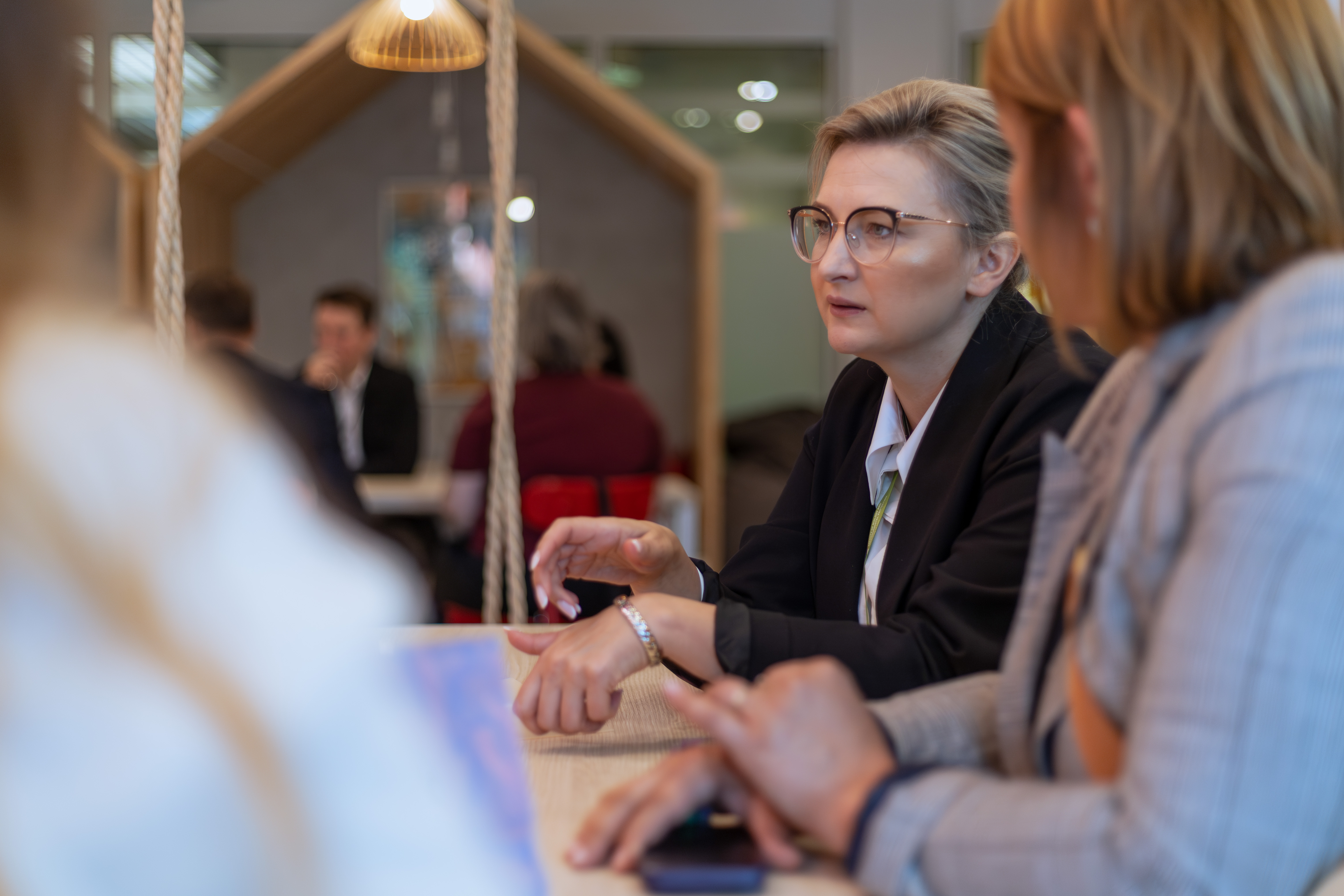
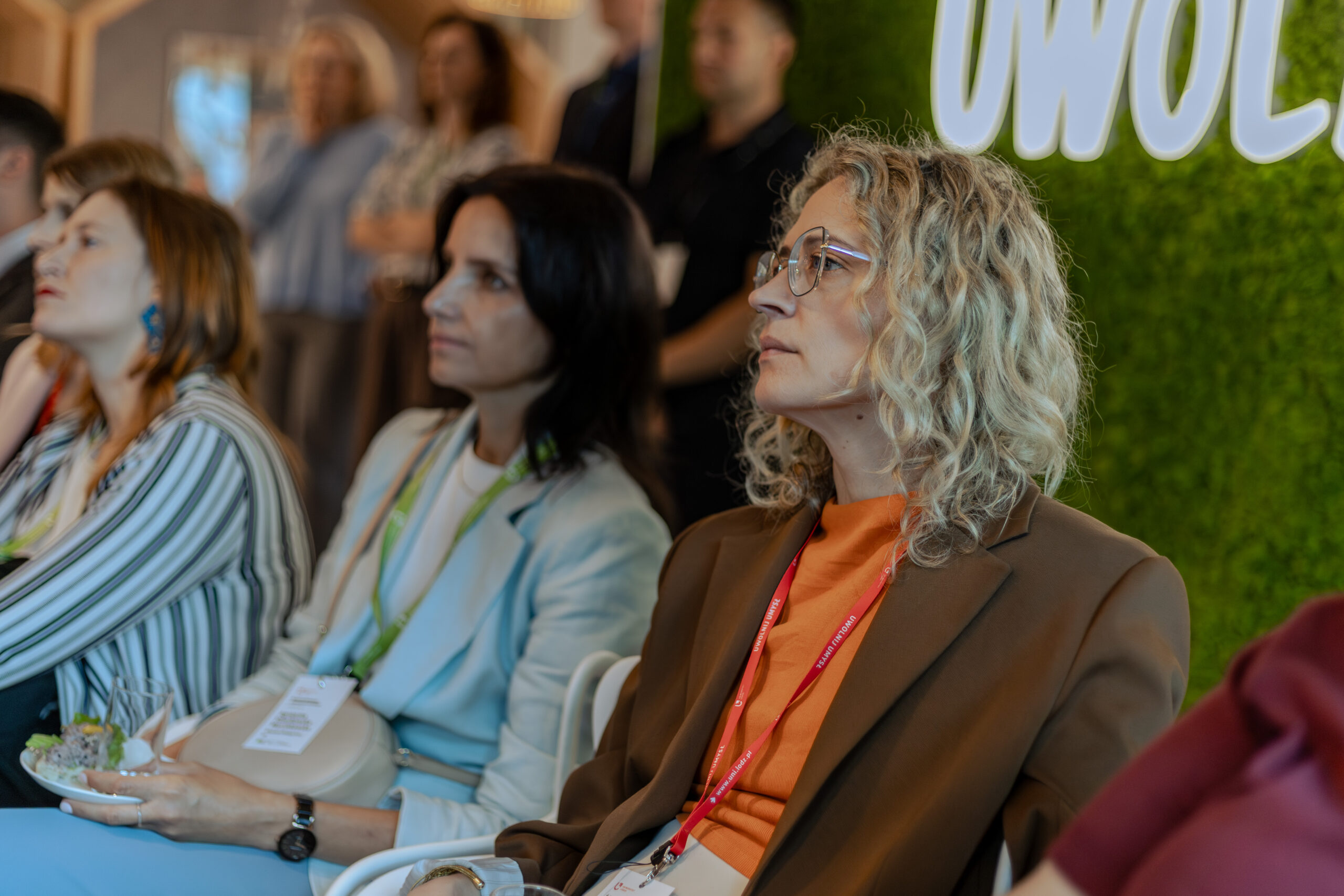
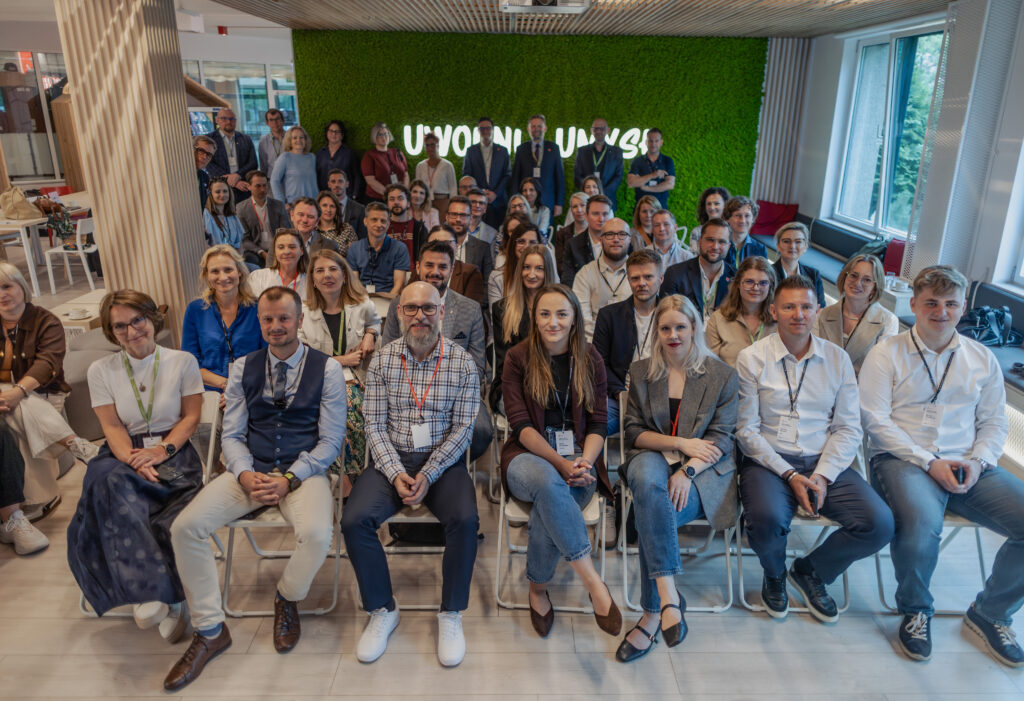
During the recent Bio4Pak Networking Meeting, experts, researchers, industry representatives and innovation professionals came together to discuss how Europe can expand the portfolio of sustainable food packaging materials.
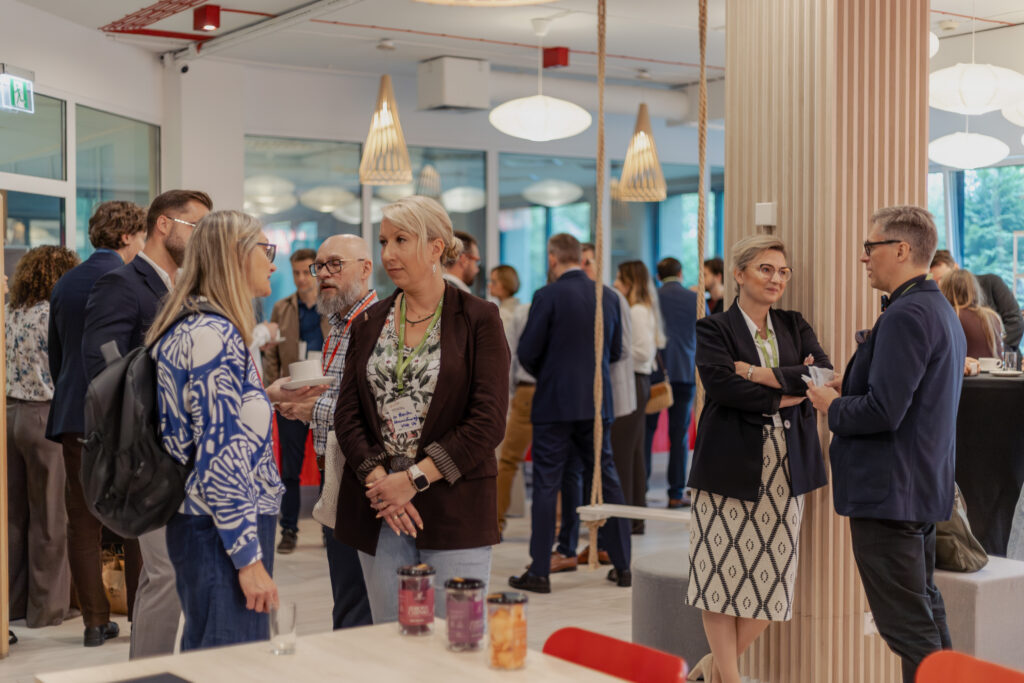
The event created space for direct conversations about shared challenges, complementary expertise and potential areas of cooperation. Participants could compare perspectives that rarely meet in one room: scientific research, industrial requirements, technology transfer and future commercialisation.
Why collaboration matters for sustainable food packaging
Conventional food packaging creates two connected challenges. The sector needs to reduce its reliance on fossil-based plastics while maintaining the safety, durability and performance expected from packaging materials.
Bio4Pak addresses this problem by developing biodegradable, bio-based and bioactive packaging technologies. The project combines material science, microbiology, biotechnology and polymer engineering. Its goal is not only to replace conventional plastics, but also to explore packaging that can actively support food safety.
One of the concepts developed within the project is the delivery system. It uses bacteriophages as targeted antimicrobial agents and is designed to respond when harmful bacteria are present.
Turning this research into a viable packaging technology requires input from many fields. Researchers need to understand industrial production conditions. Companies need access to emerging scientific knowledge. Technology transfer experts help identify routes from laboratory results to future applications.
Networking connects these perspectives early enough to influence the direction of the work.
Building partnerships around a shared challenge
The meeting focused on identifying expertise and resources that could strengthen the development of sustainable packaging materials. Participants discussed opportunities for joint activities, future partnerships and knowledge exchange across research and industry.
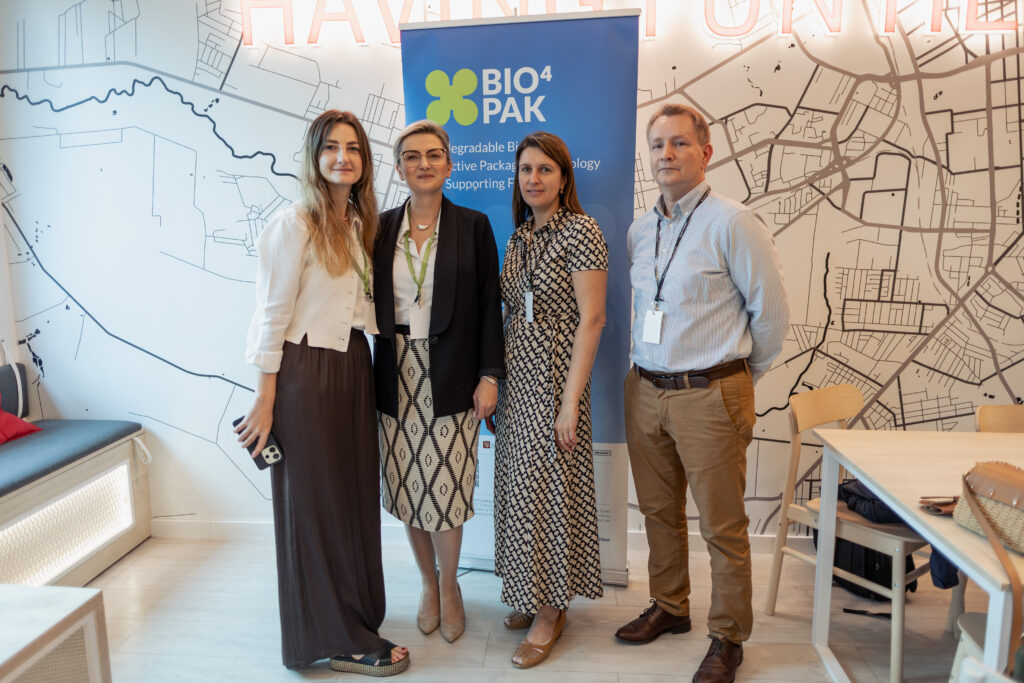
The meeting was enriched by the participation of Paweł Kwaśnicki from Futamura and Ewelina Wójcik from Proteon Polska, both members of the Bio4Pak Advisory Board. Their expertise in sustainable packaging and biotechnology reflects the Advisory Board’s important role in providing strategic guidance, strengthening industry engagement and supporting the project’s pathway towards impactful innovation and future commercialisation.
These conversations matter because no single institution can address the full packaging value chain alone. Material development, antimicrobial performance, food safety, environmental assessment, regulation and market adoption all require different skills.
By bringing these competencies together, Bio4Pak creates conditions for better-informed research and stronger pathways towards real-world use.
The meeting also supported a wider objective shared by European research programmes: building links between ambitious scientific projects and the organisations capable of testing, developing and applying their results.
Innovation grows through exchange
EIC Pathfinder projects take on technological challenges where the final route is not yet fully defined. This type of research depends on scientific ambition, but it also depends on people who are prepared to question ideas, share knowledge and look for connections beyond their own disciplines.
The Bio4Pak Networking Meeting showed how much can begin with a focused conversation. A discussion may reveal missing expertise. A new contact may open access to a testing method, industrial perspective or future research partnership.
Each of these connections helps the project move closer to its broader goal: food packaging that reduces dependence on fossil-based plastics, supports food safety and contributes to a more circular European bioeconomy.
We thank all participants who shared their experience, questions and perspectives. The next steps will grow from the relationships built around the table.
The event was based on collaboration, bringing together experts, researchers and industry professionals to explore strategies and opportunities for expanding the portfolio of sustainable food packaging materials.
Event photo gallery: https://www.flickr.com/photos/promocja_ul/albums/72177720334593679/